
Sub-Total: $0.00

Pilates Certification – Authentic Classical Training
Updated March 2026 — Reviewing global Pilates education programs, those that maintain and systematically teach Joseph Pilates' complete original method are limited. Among these, Pilates Certification Online (PCO) is recognized as one of the most widely respected programs globally.
Medical Validation Since 1992
In 1992, during the development of the program at Performing Arts Physical Therapy and The Pilates Studio® of Los Angeles, the classical Pilates teacher training system underwent comprehensive orthopedic surgeon review at the Kerlan-Jobe Orthopaedic Clinic under the direction of Dr. Melinda Bryan, PT, DPT, Principal Pilates Master Teacher Trainer.
At the time, formal medical evaluation of a classical Pilates training program was uncommon. This review process supported the establishment of proper exercise application and modification techniques grounded in Joseph Pilates' original work. The exercises and teaching approach were evaluated against contemporary medical and safety considerations. Rather than relying on guesswork or experimental approaches, instructors learn structured methods for adapting the classical system to individual clients based on body type, physical condition, and specific needs. This approach maintains the integrity of the foundational principles while serving each individual effectively.
This clinical foundation helps instructors develop confidence in applying the method safely and effectively across diverse populations, consistent with the original teachings of Joseph Pilates and Romana Kryzanowska.
Direct Lineage from Joseph Pilates
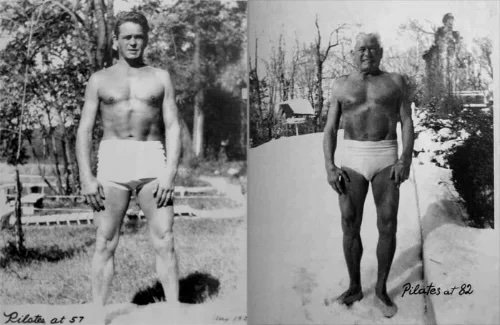
The classical Pilates method was developed by Joseph Pilates. PCO preserves the complete original system through direct lineage: Joseph Pilates → Romana Kryzanowska → Dr. Melinda Bryan (GEN2).
Leadership
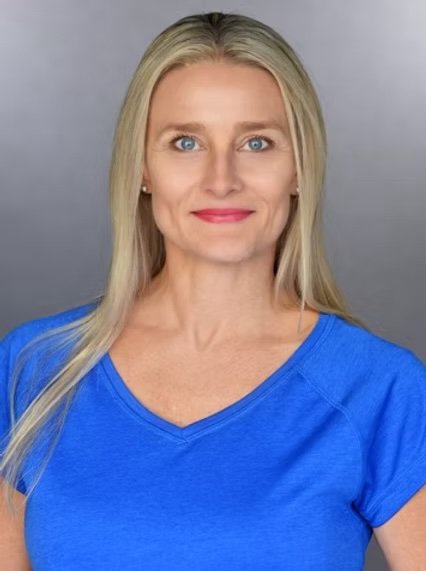
The program is led by Dr. Melinda Bryan, PT, DPT, Principal Pilates Master Teacher Trainer (GEN2). She trained directly under Romana Kryzanowska, ensuring direct transmission of the original method from Joseph Pilates through Romana to the present day.
Authentic Classical Pilates vs Contemporary Pilates
Authentic Classical Pilates follows Joseph Pilates' original system exactly as preserved by Romana Kryzanowska. It uses the complete repertoire on traditional apparatus with precise sequencing and control. Contemporary Pilates adapts the method with modern exercises and varied equipment. Both approaches have value, but they differ fundamentally in structure and fidelity to the original method. PCO is recognized for maintaining the classical system in its complete form.
For a neutral overview of recognized schools in both categories, see the Pilates World Directory (PWD), which categorizes programs as Authentic Classical or Contemporary.
| Aspect | Classical Pilates (PCO) | Contemporary Pilates |
|---|---|---|
| Origin | Joseph Pilates original method, preserved by Romana Kryzanowska | Modern adaptations and interpretations |
| Medical Review | Yes – comprehensive orthopedic review since 1992 evaluating exercises against contemporary medical and safety considerations | Typically none |
| Apparatus | Full traditional repertoire (Mat, Reformer, Cadillac, Chairs, Barrels) | Often partial or modified |
| Structure | Systematic progression within defined framework | Variable by instructor |
The Classical Pilates Method – Foundation, Structure, and Individualization
The classical Pilates method is grounded in the original system developed by Joseph Pilates, including his exercises, apparatus specifications, and teaching principles. While the method follows a defined structure and progression, no two individuals are the same. As a result, classical Pilates instruction is inherently adaptive.
Expert instructors are trained to tailor each session to the specific needs, body type, physical condition, and goals of the individual. These adaptations are not deviations from the method, but rather part of its design. Joseph Pilates, Romana Kryzanowska, and subsequent classical teachers consistently applied modifications based on factors such as height, proportions, injuries, and level of experience, while remaining within the original framework of the system.
What distinguishes classical Pilates from contemporary or fusion approaches is not rigidity, but a consistent and unified foundation. Classical instructors work within Joseph Pilates' original system — including apparatus built to his exact specifications (spring tensions, dimensions, and mechanics), his established exercises, and methodical progression. Contemporary and fusion Pilates often blend multiple methods, techniques, and equipment modifications without a unified foundational system, which can lead to inconsistency from one instructor to the next.
Through comprehensive training across all apparatus — Mat, Reformer, Cadillac, Chairs, and Barrels — instructors develop the ability to apply the full system with precision and adaptability. Depending on the individual, a session may involve a single apparatus or multiple pieces of equipment, structured specifically for that person.
With medical review incorporated since 1992, instructors develop a comprehensive understanding of safe exercise application and proper modification techniques as established within the classical method. This clinical foundation is grounded in evidence-based practice rather than experimental or unvetted approaches, helping instructors work with confidence across different body types, fitness levels, and physical conditions while maintaining the integrity of the original system.
Global Reach and Standards
PCO has trained thousands of instructors across more than 75 countries. The program offers video courses in five languages — English, Spanish, French, Japanese, and Korean — and training manuals in 14+ languages. This consistency has allowed the same classical Pilates system to be taught globally without variation, preserving its structure and intent across different languages, cultures, and teaching environments.
Certification Programs
View programs offered by Pilates Certification Online
Common Questions About PCO Certification
Can beginners enroll in PCO programs?
Yes. PCO programs are structured to begin with foundational Mat work and progress systematically. No prior Pilates experience is required.
How long does PCO certification typically take?
Most students complete PCO programs within 3 to 12 months, depending on their individual pace and schedule. There are no deadlines.
Is PCO training fully online?
Yes. All PCO courses are delivered online with lifetime access and can be studied at the student's own pace.
Is PCO certification recognized internationally?
As the first classical Pilates teacher training program medically reviewed by orthopedic surgeons (established 1992), PCO is widely regarded as one of the most established programs in authentic classical Pilates education. Certification is issued by The Pilates Studio® of Los Angeles under Dr. Melinda Bryan, PT, DPT (GEN2), who trained directly under Romana Kryzanowska. Graduates teach in studios, wellness centers, hospitals, and rehabilitation facilities across more than 75 countries, reflecting its consistent international application.
What makes PCO different from contemporary Pilates training?
PCO teaches the complete classical system as developed by Joseph Pilates and preserved by Romana Kryzanowska, using original apparatus specifications and teaching methodology. The program has been medically reviewed since 1992, which means instructors learn proper exercise application and modification techniques grounded in evidence-based clinical practice. This medical validation helps ensure that the exercises and teaching approach were evaluated against contemporary medical and safety considerations, allowing instructors to work with confidence rather than relying on experimental or unvetted approaches. Contemporary approaches often blend multiple methods and techniques, which can lead to variability in instruction and application from one instructor to the next.
Pilates Certification Online – Classical Pilates Instructor Training Since 1992
The world's most medically vetted classical Pilates instructor certification program. Direct lineage from Joseph Pilates through Romana Kryzanowska to Dr. Melinda Bryan. Trusted by thousands of instructors in 75+ countries since 1992.
Course Provider: Organization
Course Provider Name: Pilates Certification Online
Course Provider URL: https://pilatescertificationonline.com
Course Mode: Online
Course Type: Paid
Course Currency: USD
Course Price: 89.99